Gold leaf glass signs have a long rich history throughout the world. The initial examples of water gilded gold leaf on glass or "Verre egolmise" is believed to own originated in pre-Roman eras, but its name comes from 18th century French decorator and art-dealer Jean-Baptise Glomy (1711-1786) who is responsible because of its re-popularization. Among the key historical periods of the art was in Italy during the 13th to 16th centuries. Small panels of glass, with designs formed by engraved gilding, were put on reliquaries and portable altars. The strategy used is described by Cennino Cennini. It has been used throughout Europe since the 15th century, appearing in paintings, furniture, drinking glasses and jewelry. Gold leaf lettering on glass can be often noticed in the form of decorative panels of mirrors, clock faces, and in more recent history, as window signs and advertising mirrors. Some of the greatest examples can still be viewed in the pubs and hotels throughout Europe.
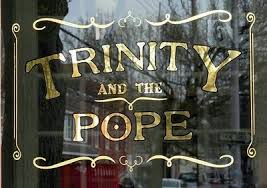
The fronts of the establishments were decorated entirely of plate glass designs and gold lettering. Some of the finest examples of the1800s in London were manufactured by either Messinger & Son, R. Morris and Sons, Cakebread Robey, Walter Gibbs, Joseph hollyer, James Carter or Jones and Firmin. America was introduced to gold lettering on glass in 1849, when the English master gilder & sign writer, Mr. John J. Edward, emigrated from London to New York. At the time of his arrival there clearly was not just a single gold leaf glass sign found in every one of New York. Then promptly opened a sign shop on Canal Street and began making types of brilliant, lustrous gilded. As these grew in demand his business prospered. When word got out of his success, traditional sign writers of New York wanted to know Mr. Edward's "secret" of making gold adhere permanently to glass.
These artists would pay a hundred dollars each to master his technique. Mr. Edwards was delighted to earn the additional income for his knowledge. Within the last half of the nineteenth century this industry flourished. During this period in American history it wasn't unusual in large cities, such as for example Chicago and New York, for the fronts of buildings to be completely adorned with exquisite glass signs. By the turn of the century, Rawson and Evans ornamental glass designers and manufacturers had a showroom in both New York City and Chicago. Historical records indicate the company was were only available in 1880 and continued through 1920. According to a rare Rawson and Evans'1896 catalogue, they specialized in sand blasted, chipped and decorative glass signs. The corporation made the most elaborate ornamental glass in the united states at that time. Their work remains sought after by collectors today.
The maximum patrons of elaborately decorated glass signs were the purveyors of alcohol, tobacco, drug stores and anyone who wanted to show off their products and store fronts. Unfortunately, the truly amazing depression took its toll with this once thriving industry with Rawson and Evans alongside Chicago Sandblasting being forced to close their doors.
They'd continue to be a small area of the individual sign artists repertoire, however it wouldn't be before 1980's that the sign artist by the name of Rick Glawson would dedicate himself to rediscovering long-lost techniques and materials. Glawson was the master of Fine Gold Sign Company and Esoteric Sign Supply in Wilmington, California, and was recognized as one of the world's foremost authorities on glass decorating techniques. Rick spent unprecedented hours researching the tools, tricks, and techniques of the art of glass signs. His specialty was the restoration of vintage glass advertising signs - especially those of the 1880-1910 era.
Rick Glawson organized an annually glass sign event at his studio which became know as "The Conclave ".Sign artists came from around the globe would come to generally share their ideas and information about glass sign art. Since Rick's passing in 2003, The Conclave remains held every year in his honor, where in actuality the timeless craft of gold leaf lettering on glass signs will be kept alive by a small number of dedicated glass sign artists. The few of dedicated gold leaf glass sign writers carrying on the traditions of days gone by are: Roderick Treece of California, Larry White of California, David Smith of England, John Studden of California and Noel Weber of Idaho.
